

Newborn Baby Care Tips for First-Time Parents in 2026
Introduction
Becoming a parent for the first time is a beautiful but overwhelming experience. When you bring your newborn home, every small thing feels important—feeding, sleeping, bathing, and even understanding why your baby is crying. This is completely normal.
This guide is specially written for first-time parents in simple, friendly English to help you understand newborn baby care step by step. With the right knowledge and calm approach, you can give your baby a safe, healthy, and loving start to life.

Understanding Your Newborn Baby
Newborn babies are delicate and need gentle care. In the first few weeks, babies sleep most of the time, cry often, and slowly adjust to the outside world.
Some normal newborn behaviors include:
- Frequent sleeping (16–18 hours a day)
- Crying to communicate needs
- Startle reflex and sudden movements
- Irregular feeding patterns
Understanding these basics helps parents stay calm and confident.

Feeding Your Newborn Baby
Feeding is one of the most important parts of newborn care.
Breastfeeding Tips
- Feed your baby every 2–3 hours
- Make sure the baby latches properly
- Drink enough water and eat healthy food
- Do not panic if milk supply feels low in the beginning
Formula Feeding Tips
- Use clean, sterilized bottles
- Follow the instructions on the formula pack
- Never overfeed your baby

Newborn Baby Sleep Care
Newborn babies sleep a lot, but not for long hours at one time.
Safe Sleeping Tips
- Always put the baby to sleep on their back
- Use a firm mattress
- Avoid pillows, soft toys, and heavy blankets
- Keep the crib close to parents for the first few months

Bathing and Hygiene for Newborns
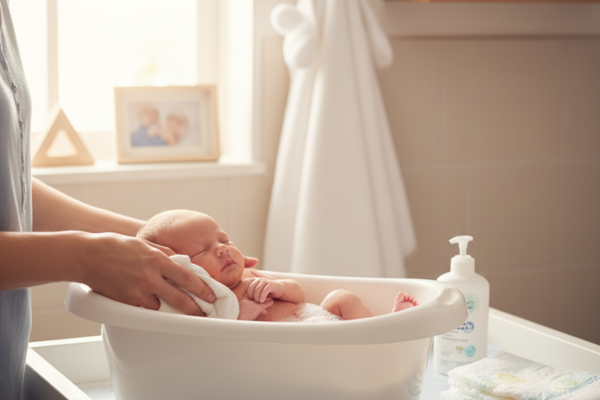
Newborns do not need daily baths. 2–3 times a week is enough.
Bathing Tips
- Use lukewarm water
- Choose mild baby soap
- Support the baby’s head and neck
- Keep bath time short
Diaper Care
- Change diapers frequently
- Clean gently with baby wipes or warm water
- Apply diaper rash cream if needed
Newborn Baby Skin Care
Baby skin is very sensitive and needs extra care.
Skin Care Tips
- Use baby-specific products only
- Avoid too many products
- Massage gently with baby oil
- Keep baby skin dry and clean

Understanding and Handling Baby Crying
Crying is the only way newborns communicate.
Common reasons for crying:
- Hunger
- Dirty diaper
- Sleepiness
- Discomfort
- Need for comfort
How to Calm a Crying Baby
- Hold and cuddle the baby
- Talk softly or sing
- Rock gently
- Check feeding and diaper
Health and Safety Tips for Newborns
- Wash hands before touching the baby
- Keep visitors limited
- Follow vaccination schedule
- Consult a doctor if baby has fever or unusual symptoms

Emotional Care and Bonding
Bonding builds trust and emotional security.
Ways to bond:
- Skin-to-skin contact
- Talking and smiling
- Gentle touch
- Eye contact during feeding

Common Mistakes First-Time Parents Should Avoid
- Overfeeding the baby
- Comparing with other babies
- Panicking over small issues
- Ignoring self-care as parents
Remember, every baby is different.
Conclusion
Newborn baby care may feel challenging at first, but with love, patience, and basic knowledge, it becomes easier every day. Trust yourself, learn slowly, and enjoy these precious moments with your baby.
At ChildCareGuide, we believe informed parents raise happy and healthy children.
Frequently Asked Questions (FAQs)
1. How often should I feed my newborn?
Every 2–3 hours or whenever the baby shows hunger signs.
2. Is it normal for newborns to cry a lot?
Yes, crying is normal and reduces as babies grow.
3. When should I give my baby the first bath?
After the umbilical cord stump falls off, sponge baths are best.
4. How many hours should a newborn sleep?
Around 16–18 hours a day in short periods.
5. When should I consult a doctor?
If the baby has fever, feeding problems, or unusual behavior.