

21 Signs of a Healthy Child: A Parent’s Complete Guide
Introduction
Every parent wants one thing above all else—a healthy child. While occasional colds, mood swings, or growth spurts are a normal part of childhood, understanding the everyday signs of good health can help you feel more confident about your child’s development.
A healthy child is more than just someone who rarely gets sick. Good health includes physical growth, emotional well-being, social skills, mental development, healthy eating habits, and active participation in daily life.
In this comprehensive guide, we’ll explore 21 signs of a healthy child, explain why each sign matters, and share practical tips to help your child thrive.
Table of Contents
- What Makes a Healthy Child?
- 21 Signs of a Healthy Child
- When Should Parents Be Concerned?
- Frequently Asked Questions
- Final Thoughts
What Makes a Healthy Child?
A healthy child grows steadily, stays active, learns new skills, eats a balanced diet, sleeps well, and enjoys interacting with family and friends. Every child develops at their own pace, but certain signs consistently indicate good overall health.
Instead of comparing your child to others, focus on their own growth, energy levels, emotional well-being, and developmental milestones.

21 Signs of a Healthy Child
1. Steady Growth and Weight Gain
One of the clearest signs of a healthy child is steady growth. Pediatricians monitor height, weight, and body mass index (BMI) during regular check-ups to ensure children are growing at an appropriate rate.
Growth doesn’t always happen evenly. Children often experience growth spurts followed by slower periods, and that’s completely normal.
Tips
- Offer balanced meals rich in nutrients.
- Keep regular pediatric appointments.
- Avoid comparing growth with other children.
2. High Energy Levels
Healthy children are naturally energetic. They love running, jumping, climbing, playing games, and exploring their surroundings.
A child who consistently has enough energy to participate in age-appropriate activities is generally showing a positive sign of overall health.
Keep in mind that energy levels naturally vary throughout the day, especially after school or during growth spurts.
Tips
- Encourage at least one hour of physical activity daily.
- Limit excessive screen time.
- Ensure proper hydration.
3. Healthy Appetite
Healthy children are naturally energetic. They love running, jumping, climbing, playing games, and exploring their surroundings. A child who consistently has enough energy to participate in age-appropriate activities is generally showing a positive sign of overall health.
Keep in mind that energy levels naturally vary throughout the day, especially after school or during growth spurts.
Tips
- Encourage at least one hour of physical activity daily.
- Limit excessive screen time.
- Ensure proper hydration.
3. Healthy Appetite
Children don’t need to eat large portions at every meal. Instead, a healthy child usually has a good appetite over the course of several days.
Some days they’ll eat more, while other days they’ll eat less. What matters is consistent intake of nutritious foods.
Healthy eating includes:
- Fruits
- Vegetables
- Whole grains
- Dairy products
- Lean proteins
- Healthy fats
Parents should avoid forcing children to finish every meal. Encourage balanced choices instead.
4. Quality Sleep
Sleep is one of the strongest indicators of a child’s overall health.
During sleep, the body:
- Repairs tissues
- Supports brain development
- Strengthens immunity
- Releases growth hormones
General sleep recommendations include:
Age | Recommended Sleep |
Preschoolers | 10–13 hours |
School-age children | 9–12 hours |
Teenagers | 8–10 hours |
Children who wake refreshed and remain active during the day are often getting enough quality sleep.
Tips
- Maintain a consistent bedtime.
- Keep bedrooms quiet and dark.
- Avoid screens before bedtime.
5. Strong Immune System
No child is completely free from illness. Catching a cold once in a while is perfectly normal.
However, a healthy child usually:
- Recovers quickly
- Doesn’t experience frequent serious infections
- Has fewer complications
- Returns to normal activities within a reasonable time
Good hygiene, nutritious food, vaccinations, and adequate sleep all support a strong immune system.
6. Happy and Positive Mood
Emotional health is just as important as physical health.
A healthy child often:
- Smiles frequently
- Laughs during play
- Shows curiosity
- Expresses emotions appropriately
- Enjoys spending time with family
Children naturally experience sadness, frustration, and anger from time to time. The key is that these emotions are temporary and don’t interfere with daily life for extended periods.
Tips
- Spend quality time together every day.
- Encourage open conversations about feelings.
- Praise effort instead of perfection.
Why These First Six Signs Matter
These six signs provide a strong foundation for evaluating your child’s overall well-being. Healthy growth, energy, nutrition, sleep, immunity, and emotional balance all work together to support lifelong physical and mental health.
Remember, every child is unique. They may not display every sign perfectly every day, but consistent positive patterns are what truly matter.
7. Healthy Skin, Hair, and Nails
A child’s appearance can often provide clues about their overall health. A healthy child usually has smooth skin, shiny hair, and strong nails, all of which indicate proper nutrition and hydration.
Small bruises or scratches from active play are normal, but persistent rashes, pale skin, brittle nails, or excessive hair loss should be discussed with a healthcare provider.
Tips
- Encourage plenty of water throughout the day.
- Include foods rich in vitamins A, C, D, E, zinc, and iron.
- Teach good personal hygiene habits.
8. Strong Bones and Healthy Teeth
Healthy bones and teeth are essential for growing children. A healthy child develops strong bones through proper nutrition and regular physical activity.
Calcium and vitamin D are especially important for bone growth, while brushing and flossing help maintain healthy teeth and gums.
Signs of Healthy Bones and Teeth
- Strong, white teeth
- Healthy gums
- Good posture
- Active movement without pain
Few dental problems
Tips
- Offer milk, yogurt, cheese, leafy greens, and fortified foods.
- Encourage outdoor play for natural vitamin D.
- Schedule regular dental check-ups every six months.
9. Curious and Eager to Learn
Curiosity is one of the best indicators of a healthy child. Healthy children naturally ask questions, explore new ideas, and enjoy discovering how things work.
Whether they’re building with blocks, reading books, drawing pictures, or asking “Why?” a hundred times a day, curiosity shows that the brain is developing well.
Encourage Learning By
- Reading together daily.
- Visiting parks, museums, and libraries.
- Answering questions with patience.
Providing age-appropriate educational toys.
10. Good Communication Skills
Communication develops gradually from infancy through adolescence. A healthy child continues improving their ability to understand and express thoughts and feelings.
Depending on age, healthy communication may include:
- Speaking clearly.
- Following simple instructions.
- Asking questions.
- Sharing ideas.
- Listening during conversations.
Every child develops language at their own pace, but steady progress is a positive sign.
Tips
- Talk with your child regularly.
- Read books aloud every day.
- Encourage storytelling and imaginative play.
- Limit passive screen time.
11. Positive Social Relationships
Children thrive when they build healthy relationships with family, friends, teachers, and classmates.
A healthy child generally enjoys spending time with others and learns important social skills such as sharing, cooperation, kindness, and empathy.
Healthy Social Behaviors Include
- Making friends.
- Taking turns.
- Sharing toys.
- Respecting others.
- Showing empathy.
- Working well in groups.
Remember, some children are naturally shy. Being quiet doesn’t necessarily mean something is wrong
Tips
- Arrange playdates.
- Encourage teamwork through sports or group activities.
- Model respectful communication at home.
12. Regular Digestion and Healthy Bathroom Habits
Healthy digestion is another important sign of overall wellness. A healthy child usually has regular bowel movements and urinates without discomfort.
Occasional constipation or stomach upset is common, but persistent digestive problems should be evaluated by a healthcare professional.
Signs of Healthy Digestion
- Regular bowel movements.
- Comfortable urination.
- Minimal stomach pain.
- Healthy appetite.
- Good hydration.
Tips
- Include plenty of fiber-rich foods such as fruits, vegetables, and whole grains.
- Encourage regular water intake.
- Promote daily physical activity to support digestion.
How Parents Can Support These Signs
As children grow, parents play a vital role in helping them maintain good health. Simple daily habits can make a lasting difference.
Focus on These Healthy Habits
- Serve balanced meals with a variety of nutritious foods.
- Encourage at least 60 minutes of physical activity each day.
- Maintain a consistent bedtime routine.
- Limit sugary drinks and processed snacks.
- Support emotional well-being through love, patience, and open communication.
- Schedule regular medical and dental check-ups.
- Keep vaccinations up to date.
These habits strengthen your child’s physical, emotional, and mental development while helping them grow into a confident and healthy child.
Key Takeaway
The signs covered so far—healthy skin, strong bones, curiosity, communication, social skills, and regular digestion—show that a child is developing well in many areas of life. Together with the first six signs, they provide a broader picture of your child’s overall well-being.
13. Good Vision and Hearing
Clear vision and healthy hearing are essential for learning, communication, and everyday activities. A healthy child can usually see and hear well enough to participate in school, play, and conversations without difficulty.
Signs of Healthy Vision and Hearing
- Recognizes people and objects from a distance.
- Follows moving objects with the eyes.
- Responds when called by name.
- Enjoys listening to stories and music.
- Does not frequently squint or sit too close to the television.
Tips
- Schedule regular eye and hearing check-ups.
- Limit screen time to reduce eye strain.
- Protect your child’s ears from loud noises.
- Encourage outdoor play, which supports eye health.
14. Expresses Emotions in a Healthy Way
Children experience many emotions every day, including happiness, excitement, sadness, frustration, and disappointment. A healthy child learns to express these feelings in appropriate ways.
Rather than hiding emotions, healthy children gradually develop the ability to talk about their feelings and seek comfort when needed.
Healthy Emotional Signs
- Talks about feelings.
- Accepts comfort from parents.
- Handles small disappointments.
- Shows empathy toward others.
- Calms down after becoming upset.
Tips
- Listen without judging.
- Teach children to name their emotions.
- Stay calm during emotional moments.
- Encourage problem-solving instead of punishment.
15. Good Attention and Concentration
The ability to focus is another important sign of healthy development. A healthy child can usually pay attention to age-appropriate activities such as reading, drawing, puzzles, homework, or games.
Young children naturally have shorter attention spans than older children, so expectations should match their age.
Ways to Improve Concentration
- Create a quiet study space.
- Break large tasks into smaller steps.
- Maintain regular sleep schedules.
- Reduce unnecessary screen distractions.
- Encourage reading every day.
16. Reaches Developmental Milestones
Every child grows at their own pace, but most reach important developmental milestones within expected age ranges.
A healthy child gradually develops new physical, social, language, and thinking skills as they grow.
Examples of Developmental Milestones
- Walking and running.
- Speaking simple sentences.
- Learning to dress independently.
- Reading simple books.
- Solving age-appropriate problems.
- Developing friendships.
Parents should remember that small differences are normal. If there are significant delays, consult a pediatrician for guidance.
17. Active Play and Good Physical Coordination
Play is one of the best ways children build healthy bodies and minds. A healthy child enjoys running, jumping, climbing, throwing, catching, dancing, and participating in games.
Physical activity improves:
- Muscle strength
- Bone health
- Balance
- Coordination
- Heart health
- Confidence
Tips
- Encourage at least 60 minutes of active play daily.
- Visit parks and playgrounds.
- Play outdoor games as a family.
- Reduce long periods of sitting.
18. Healthy Self-Confidence
Confidence develops when children feel loved, supported, and encouraged. A healthy child believes they can learn new skills, solve problems, and recover from mistakes.
Self-confidence doesn’t mean being perfect. Instead, it means having the courage to keep trying.
Signs of Healthy Self-Confidence
- Tries new activities.
- Speaks up when needed.
- Learns from mistakes.
- Accepts praise graciously.
- Shows independence appropriate for their age.
How Parents Can Build Confidence
- Praise effort rather than results.
- Celebrate small achievements.
- Give age-appropriate responsibilities.
- Allow children to make simple choices.
- Avoid comparing them with other children.

Healthy Habits That Support Long-Term Growth
Helping your child stay healthy doesn’t require complicated routines. Consistent daily habits make the biggest difference.
Encourage Your Child To:
- Eat a colorful, balanced diet.
- Drink plenty of water.
- Stay physically active every day.
- Get enough sleep each night.
- Practice good hygiene.
- Spend time outdoors.
- Read books regularly.
- Talk openly about emotions.
- Limit excessive screen time.
- Enjoy quality family time.
These habits create a strong foundation for raising a healthy child who is physically active, emotionally secure, and mentally resilient.
Parent's Reminder
No child is perfect every day. They may have days when they feel tired, lose their appetite, or become emotional. What matters most is the overall pattern of healthy growth, development, and happiness over time.
By observing these signs and maintaining regular medical check-ups, parents can support their child’s journey toward lifelong health.
19. Maintains Good Personal Hygiene
A healthy child gradually learns the importance of personal hygiene and begins practicing healthy habits independently. Good hygiene helps prevent infections and supports overall well-being.
Signs of Good Hygiene
- Brushes teeth twice a day.
- Washes hands before meals and after using the toilet.
- Bathes regularly.
- Keeps nails clean and trimmed.
- Wears clean clothes.
Tips for Parents
- Make hygiene part of the daily routine.
- Lead by example.
- Use child-friendly soaps and toothbrushes.
- Praise consistency instead of perfection.
20. Recovers Well from Illness
Children occasionally catch colds, coughs, or stomach bugs. A healthy child generally recovers within a reasonable time with proper rest, hydration, nutritious food, and medical care when needed.
Healthy Recovery Signs
- Appetite gradually returns.
- Energy levels improve.
- Fever resolves.
- Returns to normal play and school activities.
- Sleeps comfortably during recovery.
If illnesses become frequent, severe, or recovery is unusually slow, consult your pediatrician.
21. Enjoys Everyday Life
Perhaps the most meaningful sign of a healthy child is simply enjoying childhood. Healthy children usually laugh, play, learn, explore, ask questions, build friendships, and show excitement about discovering the world around them.
While every child has difficult days, a generally positive attitude toward everyday activities reflects healthy physical, emotional, and social development.
Encourage Joy Every Day
- Spend quality family time together.
- Encourage outdoor play.
- Celebrate small achievements.
- Support hobbies and creativity.
- Listen to your child’s thoughts and feelings.

Although every child develops differently, certain signs may indicate that professional advice is needed. Consider speaking with your pediatrician if your child:
- Has poor weight gain or growth.
- Frequently seems tired or lacks energy.
- Experiences repeated infections.
- Has persistent digestive problems.
- Shows delays in speech or movement.
- Has difficulty seeing or hearing.
- Struggles with learning beyond age expectations.
- Displays significant behavioral or emotional changes.
- Loses interest in activities they once enjoyed.
Early evaluation can help identify concerns and provide the right support.
Expert Tips for Raising a Healthy Child
Supporting your child’s health doesn’t require perfection. Small, consistent habits make the biggest difference.
Daily Habits That Matter
- Serve balanced meals with plenty of fruits and vegetables.
- Encourage at least 60 minutes of physical activity every day.
- Ensure age-appropriate sleep each night.
- Limit sugary drinks and highly processed foods.
- Read together regularly to support learning.
- Schedule routine medical and dental check-ups.
- Keep vaccinations up to date.
- Create a loving, supportive home environment.
- Encourage open conversations about feelings.
- Lead by example with healthy lifestyle choices.

Frequently Asked Questions (FAQs)
1. What are the most important signs of a healthy child?
A healthy child generally has steady growth, plenty of energy, a balanced appetite, quality sleep, emotional well-being, curiosity, and age-appropriate development.
2. How often should my child have a health check-up?
Most children should have routine wellness visits as recommended by their pediatrician, even if they appear healthy.
3. Is it normal for healthy children to get sick?
Yes. Children commonly experience colds and minor illnesses while their immune systems develop. Most healthy children recover quickly.
4. How much physical activity does a child need?
Experts recommend at least 60 minutes of moderate to vigorous physical activity each day for school-aged children.
5. What foods help keep children healthy?
A balanced diet that includes fruits, vegetables, whole grains, lean proteins, dairy, and healthy fats supports healthy growth and development.
6. Should I worry if my child is smaller than other children?
Not necessarily. Children grow at different rates. Consistent growth over time is usually more important than comparing your child with others.
Conclusion
Every parent hopes to raise a healthy child, but good health is about much more than avoiding illness. It includes steady physical growth, emotional resilience, healthy eating, quality sleep, curiosity, strong relationships, and the confidence to explore the world.
Remember that every child develops at their own pace. Instead of comparing your child with others, focus on their individual progress, celebrate their achievements, and provide a supportive environment where they can thrive.
Regular medical check-ups, balanced nutrition, active play, and plenty of love are some of the greatest gifts you can give your child. By recognizing these 21 signs of a healthy child, you’ll be better prepared to support their journey toward a happy, healthy future.
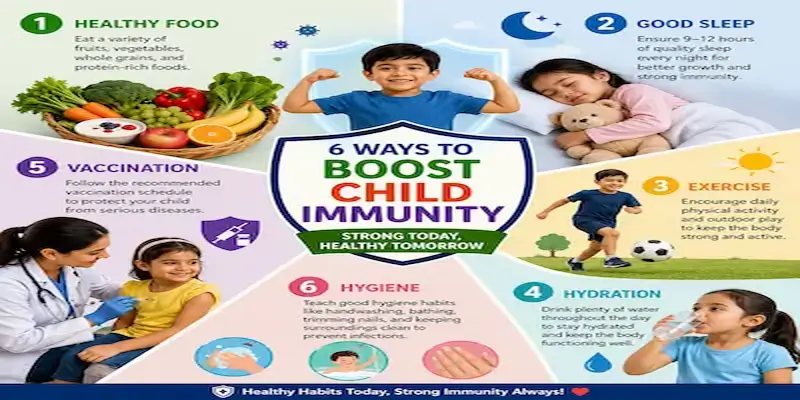
6 way to boost immunity
you can read this also